Lifespan by material
| Roof | North Alabama, real-world | Notes |
|---|---|---|
| Three-tab asphalt | 12 – 18 years | Less under trees or with a hot attic |
| Architectural asphalt | 20 – 25 years | Ventilated, algae-resistant lines |
| Class 4 impact-resistant asphalt | 22 – 28 years | Survives hail that ends other roofs |
| Standing-seam metal (Kynar) | 50+ years | Finish warranties 30–40 years |
| Exposed-fastener metal | 25 – 35 years | Screws replaced at 10–15 |
| Concrete / clay tile | 50+ years | Rare here; underlayment replaced at 25–30 |
| Slate | 75 – 150 years | Twickenham and Old Town; flashing is the weak point |
| Wood shake | 15 – 25 years | Humidity is hard on it |
What shortens a roof in Huntsville
Hail. The biggest factor here. A moderate hailstorm bruises shingles and knocks off granules; the roof looks fine and fails five years early. That's why a post-storm inspection matters even when nothing is visibly missing — it's a claim now or a leak later.
Attic heat. An under-ventilated attic hits 130 to 150 degrees on summer afternoons and cooks the asphalt from below; shingles curl, crack and lose granules years early. Ridge vent with real soffit intake adds five years and costs a few hundred dollars during a re-roof.
Trees and shade. Leaves hold moisture in valleys and behind chimneys, rot flashing and decking, and shaded slopes grow algae and moss. Keeping valleys and gutters clean matters.
Installation. Staples instead of nails, four nails instead of six, no starter strip, reused flashing, no ice-and-water in the valleys — the 1990s builder roofs in Madison have all of these, and they fail at 15 instead of 25.
Signs a roof is at the end
- Granules in the gutters and bald patches showing the black mat
- Curling or cupping shingle edges, especially on south and west slopes
- Cracked or brittle shingles that break when lifted
- Seal strips that have let go — tabs lift by hand
- Multiple repairs in the last few years, or leaks in more than one place
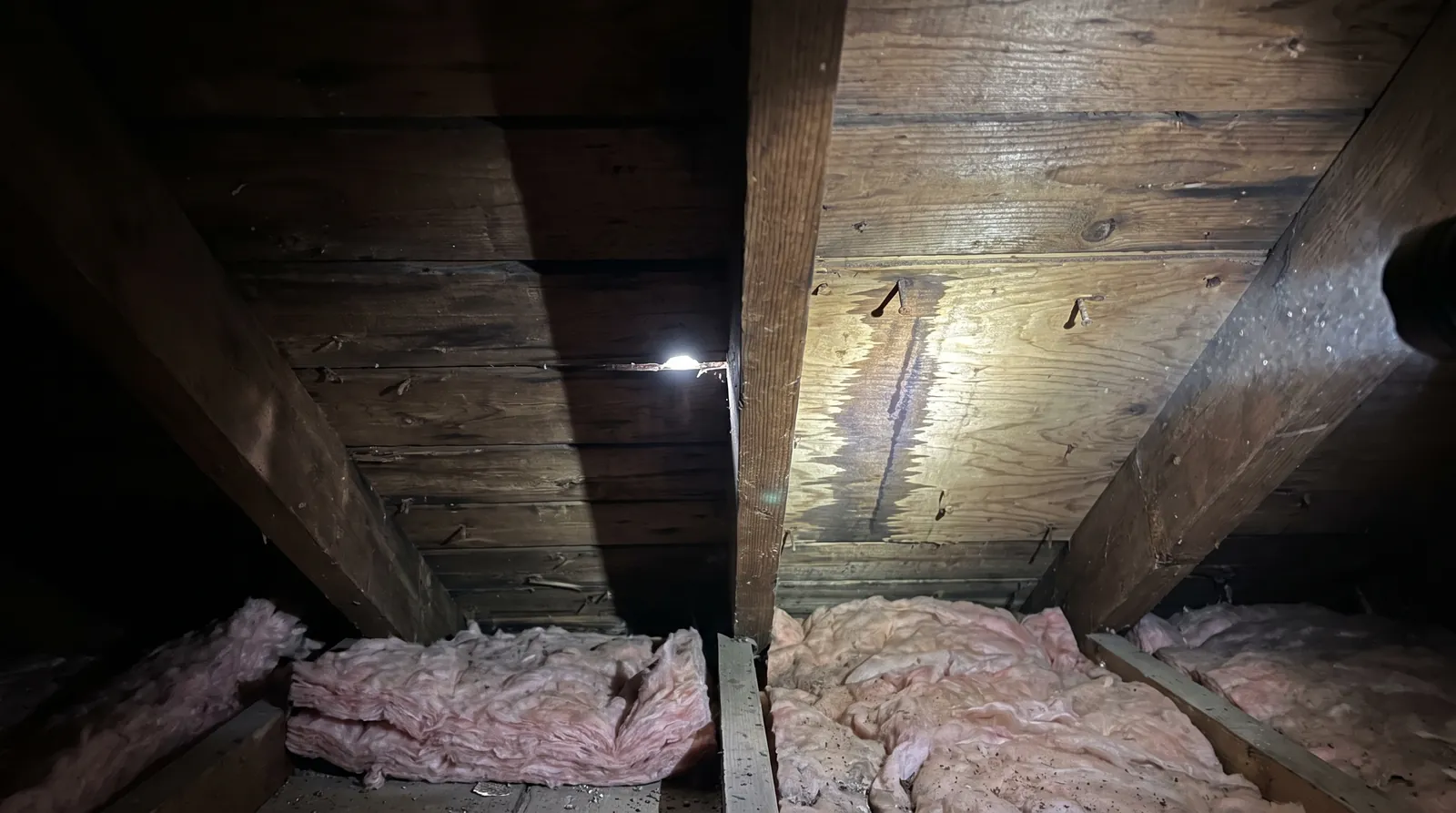
- Daylight or stains on the attic decking
- A roof that's 20-plus years old regardless of appearance — Alabama carriers are inspecting and non-renewing at this age
What extends it
Balanced ventilation. Class 4 shingles in the hail belt. Gutter guards and an annual valley cleaning under trees. Prompt repair of boots and flashing. Trimming limbs back from the roof. And an inspection after every hailstorm, so the damage becomes a claim instead of a leak.
Common questions
My roof is 22 years old and doesn't leak. Should I replace it?
Not because of a calendar — but get it inspected. If the granules are gone and the shingles are brittle, it's a matter of when, and replacing on your schedule beats replacing during a claim. Also check whether your insurer is about to require it.
Does a 'lifetime' shingle really last a lifetime?
It's a warranty term, not a lifespan — the manufacturer covers defects for as long as you own the house, prorated after the early years. The shingle itself lasts 20 to 30 years here.
Do dark shingles wear out faster?
Slightly, in an under-ventilated attic; the color difference is small compared to the ventilation difference.
Will my insurer cancel me over roof age?
Alabama carriers are increasingly inspecting roofs at 15 to 20 years and requiring replacement, an ACV endorsement or a certification. A dated inspection report helps; a new roof resets the clock.
Related: Roof inspection · Roof replacement · Skylights & ventilation · Metal vs shingles